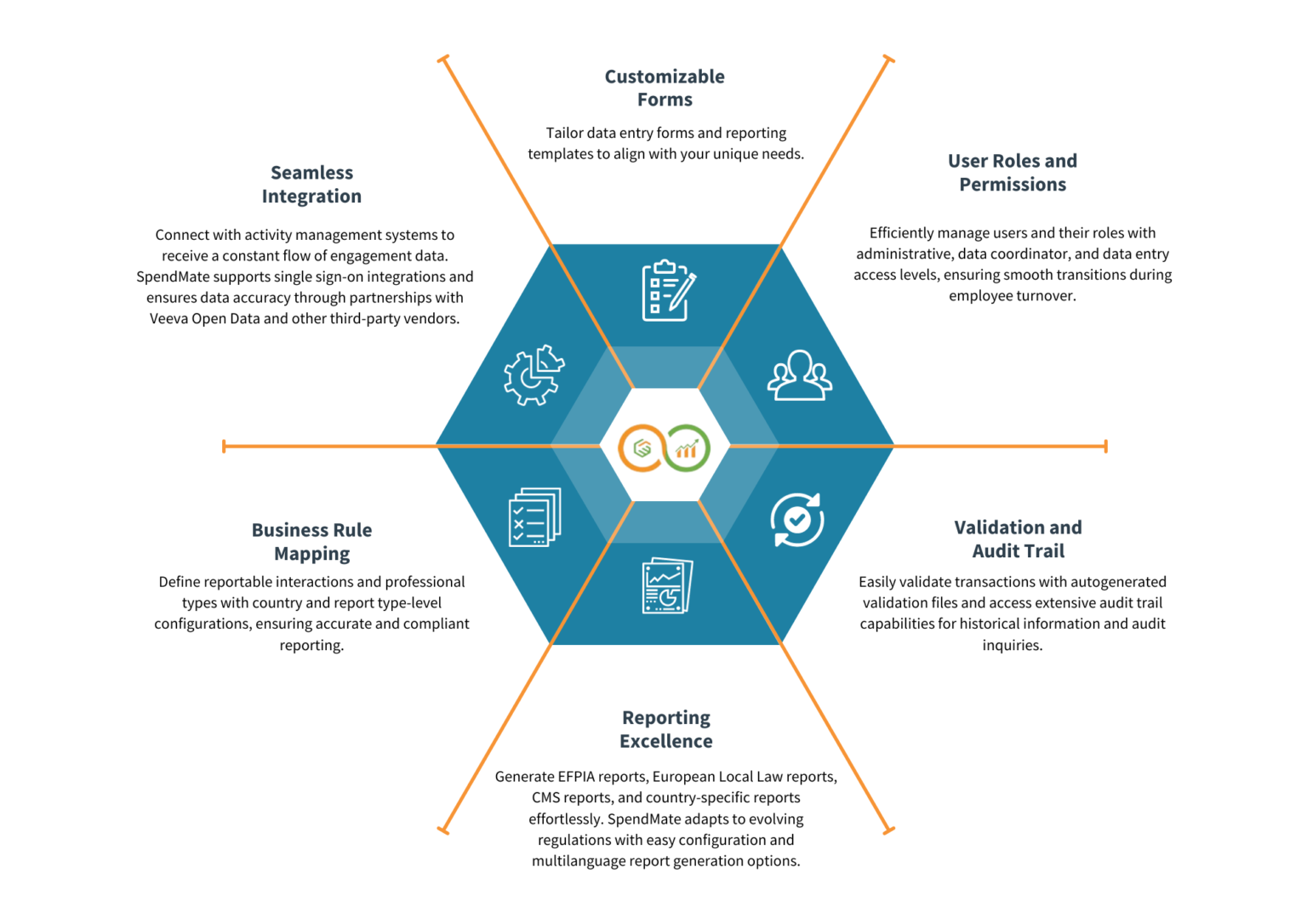
Thursday, November 28, 2024

Compliance Monitoring

Compliance monitoring has become a critical aspect of organizational governance. As industries grow increasingly complex and face stricter oversight, businesses must adopt robust compliance monitoring solutions to ensure regulatory adherence, minimize risks, and maintain operational integrity.
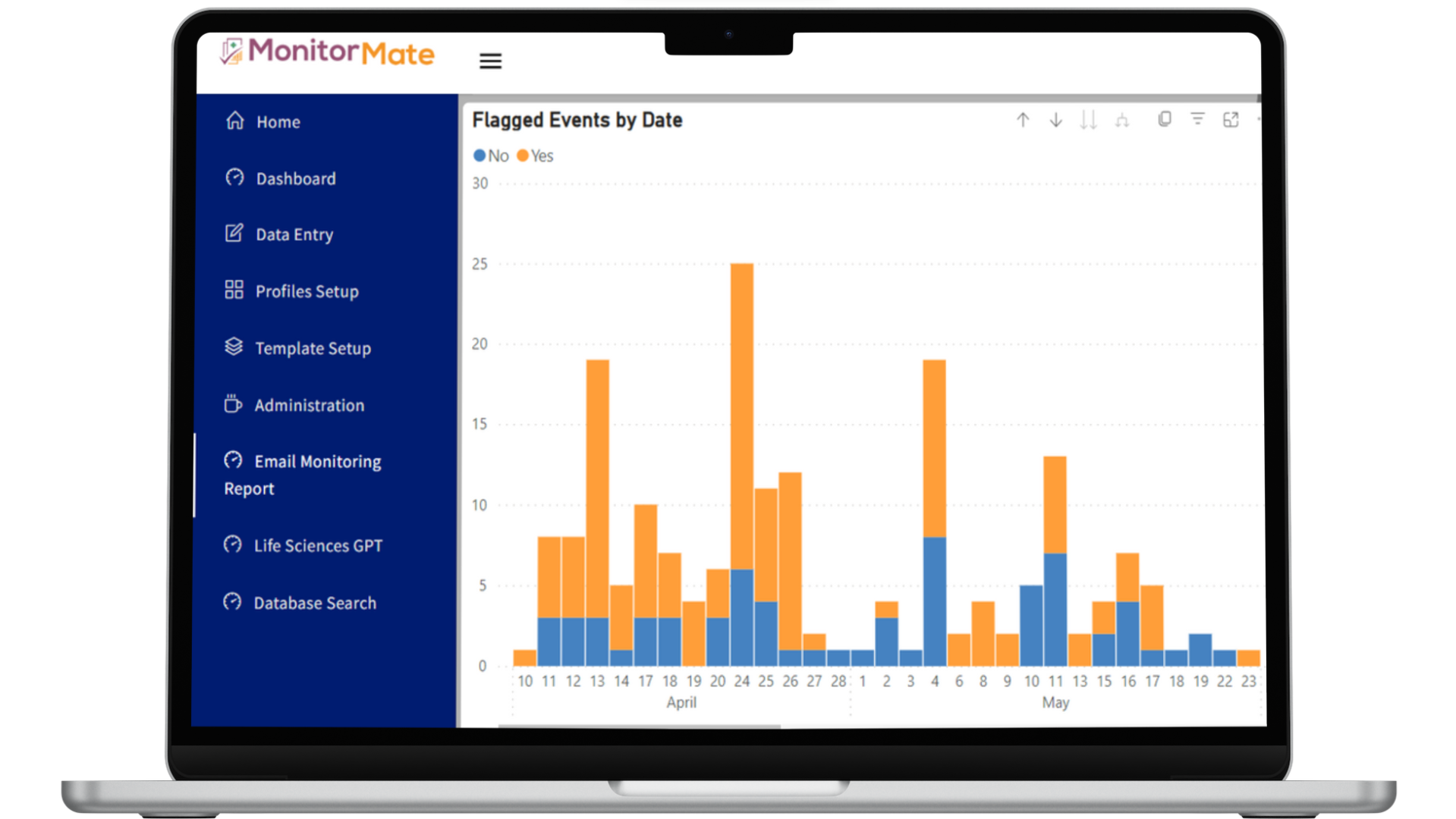
This article dives deep into compliance monitoring, its importance, challenges, and how solutions like MonitorMate by CResen Solutions can help businesses streamline their compliance processes and meet their obligations effectively.

What is Compliance Monitoring?

Compliance monitoring is the process of continuously tracking and evaluating an organization’s activities, policies, and procedures to ensure they adhere to regulatory requirements, industry standards, and internal policies. It is a proactive approach to identifying and addressing compliance gaps before they escalate into legal or financial consequences.

This process involves monitoring various aspects of operations, such as:

  • Regulatory Compliance: Ensuring alignment with external laws and regulations.
  • Internal Compliance: Adherence to internal policies and ethical guidelines.
  • Third-Party Compliance: Monitoring vendors, partners, and suppliers to ensure their practices align with your organization’s compliance framework.

Why Compliance Monitoring is Essential

Organizations across industries must prioritize compliance monitoring for several compelling reasons:

1. Mitigating Legal and Financial Risks

Non-compliance can lead to heavy penalties, legal actions, and reputational damage. Regular monitoring ensures that potential violations are detected early and addressed promptly.

2. Building Stakeholder Trust

Investors, customers, and partners are more likely to trust organizations that demonstrate a strong commitment to compliance. Transparency in operations boosts credibility and fosters long-term relationships.

3. Enhancing Operational Efficiency

Compliance monitoring streamlines workflows by identifying inefficiencies and ensuring that processes align with regulatory requirements.

4. Adapting to Regulatory Changes

The regulatory environment is constantly evolving. Robust monitoring systems help businesses stay updated and adapt to new requirements seamlessly.

5. Supporting Ethical Practices

Beyond legal requirements, compliance monitoring helps organizations uphold ethical standards, ensuring fairness and accountability in all operations.

Challenges in Compliance Monitoring

Despite its importance, implementing effective compliance monitoring is not without challenges. Common obstacles include:

1. Regulatory Complexity

With constantly changing laws and region-specific regulations, organizations often struggle to keep up with compliance requirements.

2. Data Overload

The sheer volume of data generated by modern businesses can overwhelm compliance teams, making it difficult to identify relevant insights.

3. Siloed Systems

Disparate systems and departments can lead to fragmented data, hindering the effectiveness of compliance monitoring.

4. Manual Processes

Relying on manual methods for compliance monitoring increases the risk of errors and inefficiencies.

5. Limited Resources

Small and mid-sized organizations often lack the resources—both human and technological—needed for comprehensive compliance monitoring.

The Role of Technology in Compliance Monitoring

Advanced compliance monitoring solutions like MonitorMate by CResen Solutions address these challenges by leveraging automation, analytics, and real-time monitoring. These tools provide organizations with the ability to:

  • Streamline Compliance Processes: Automate data collection, validation, and reporting.
  • Enhance Visibility: Provide a centralized view of compliance activities across the organization.
  • Detect Risks Early: Use predictive analytics to identify potential issues before they become critical.
  • Simplify Reporting: Generate detailed compliance reports that meet regulatory standards with minimal effort.

How MonitorMate by CResen Solutions Simplifies Compliance Monitoring

MonitorMate is a state-of-the-art compliance monitoring solution designed to meet the needs of organizations across various industries. Its innovative features make it an indispensable tool for businesses aiming to streamline compliance efforts and reduce risk.

Key Features of MonitorMate

  1. Real-Time Monitoring: MonitorMate provides real-time tracking of compliance activities, allowing businesses to identify and address issues as they arise.
  2. Customizable Dashboards: With user-friendly dashboards, MonitorMate offers insights tailored to your organization’s unique compliance requirements.
  3. Automated Alerts: Receive notifications for potential compliance breaches, ensuring timely action and risk mitigation.
  4. Regulatory Updates: MonitorMate automatically incorporates updates to regulations, ensuring that your organization stays compliant with the latest requirements.
  5. Comprehensive Reporting: Generate detailed, audit-ready reports that simplify regulatory submissions and internal reviews.
  6. Seamless Integration: Easily integrate MonitorMate with your existing systems and processes to maximize its effectiveness.
  7. Scalability: Whether you’re a small business or a multinational corporation, MonitorMate grows with your organization, ensuring consistent compliance monitoring.

Benefits of Using MonitorMate

  • Increased Accuracy: Reduce the likelihood of human error through automation and advanced analytics.
  • Time and Cost Savings: Streamline compliance workflows to save time and reduce operational costs.
  • Enhanced Risk Management: Proactively identify and address risks to minimize potential damage.
  • Improved Decision-Making: Leverage data-driven insights to refine compliance strategies and optimize operations.

Best Practices for Effective Compliance Monitoring

To get the most out of your compliance monitoring efforts, follow these best practices:

1. Establish Clear Policies

Define clear compliance policies and ensure they are communicated effectively across the organization.

2. Invest in Training

Provide regular training for employees to ensure they understand compliance requirements and their role in maintaining adherence.

3. Leverage Technology

Adopt advanced tools like MonitorMate to automate and streamline compliance monitoring activities.

4. Conduct Regular Audits

Perform periodic internal audits to assess the effectiveness of your compliance monitoring processes and identify areas for improvement.

5. Stay Proactive

Monitor regulatory changes closely and adjust your compliance strategies accordingly to stay ahead of the curve.

Industries that Benefit from Compliance Monitoring

Compliance monitoring is crucial across a variety of industries, including:

  • Healthcare: Ensuring compliance with HIPAA, GDPR, and other data protection regulations.
  • Pharmaceuticals: Meeting reporting requirements such as CMS and EFPIA standards.
  • Financial Services: Adhering to anti-money laundering (AML) and Know Your Customer (KYC) regulations.
  • Manufacturing: Ensuring compliance with environmental, health, and safety standards.

Conclusion

In an era where compliance requirements are more demanding than ever, compliance monitoring is essential for safeguarding an organization’s reputation, finances, and operations. By leveraging advanced solutions like MonitorMate by CResen Solutions, businesses can navigate the complexities of regulatory compliance with ease, ensuring a proactive and efficient approach to risk management.

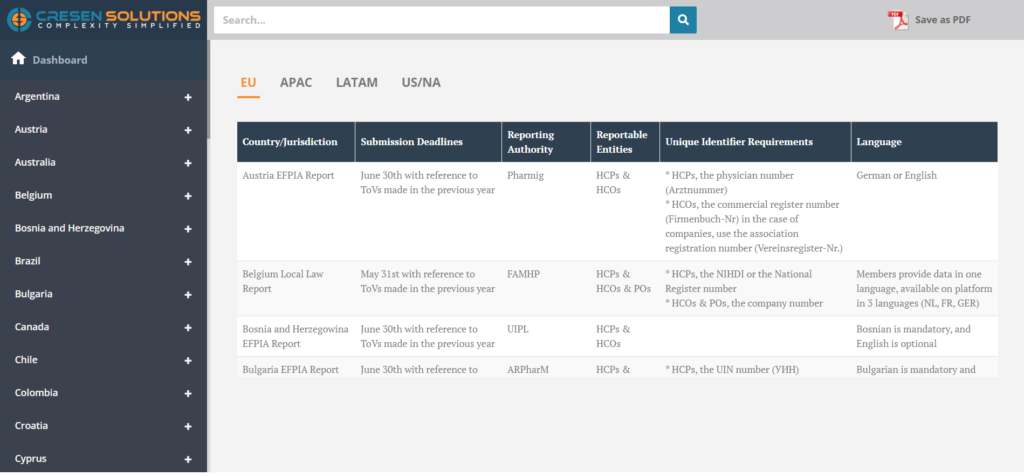
EFPIA Reporting

In the modern regulatory environment, compliance and transparency are critical for organizations in the healthcare, pharmaceutical, and related sectors. CMS Reporting and EFPIA Reporting represent two of the most crucial frameworks designed to ensure ethical practices, maintain transparency, and avoid legal pitfalls. As these reporting requirements grow increasingly complex, leveraging advanced solutions like MonitorMate by CResen Solutions can simplify the process and enhance compliance.

This article explores CMS and EFPIA reporting in detail, their significance, challenges, and how cutting-edge tools can streamline compliance efforts.

Understanding CMS Reporting


What is CMS Reporting?

CMS Reporting refers to compliance with the Centers for Medicare & Medicaid Services (CMS) requirements, particularly under the Physician Payments Sunshine Act. This regulation mandates pharmaceutical and medical device companies to disclose financial relationships with healthcare providers (HCPs) and healthcare organizations (HCOs). The goal is to enhance transparency in the healthcare sector and prevent undue influence in medical decision-making.

Key Elements of CMS Reporting

CMS Reporting requires companies to disclose detailed information such as:

  • Payments or Transfers of Value: Including consulting fees, meals, travel expenses, and research grants.
  • Recipient Details: Names, affiliations, and National Provider Identifier (NPI) of the HCPs or HCOs.
  • Nature of Payments: Categorizing expenses into specific reporting categories as outlined by CMS guidelines.

Failure to comply with CMS Reporting can lead to hefty fines, reputational damage, and increased scrutiny from regulatory authorities.

Understanding EFPIA Reporting


What is EFPIA Reporting?

The European Federation of Pharmaceutical Industries and Associations (EFPIA) has its own transparency requirements under the EFPIA Disclosure Code. These regulations ensure that interactions between pharmaceutical companies and healthcare professionals remain ethical and transparent.

EFPIA Reporting involves disclosing:

  • Direct and Indirect Payments: To HCPs, HCOs, or third parties.
  • Research and Development Contributions: Supporting clinical trials or other scientific collaborations.
  • Cross-Border Transactions: Ensuring comprehensive reporting for multinational operations.

Key Differences Between CMS and EFPIA Reporting

While both CMS and EFPIA reporting focus on transparency, their requirements differ in:

  • Geographical Scope: CMS Reporting applies primarily in the U.S., whereas EFPIA is Europe-focused.
  • Disclosure Standards: EFPIA emphasizes individual-level disclosure, including consent requirements, while CMS mandates standardized formats for reporting.
  • Specific Data Categories: EFPIA has broader disclosure categories compared to the Sunshine Act’s focus areas.

Challenges in CMS and EFPIA Reporting

Both reporting frameworks demand precise, accurate, and timely submissions. However, organizations face several challenges, including:

  • Data Collection: Consolidating payment and interaction data from multiple departments and systems.
  • Complex Regulations: Navigating varying formats, thresholds, and requirements across different regions.
  • Manual Errors: Risk of inaccuracies when relying on manual processes.
  • Compliance Deadlines: Adhering to stringent timelines while maintaining accuracy.

Failure to address these challenges can result in non-compliance, penalties, and operational inefficiencies.

How MonitorMate by CResen Solutions Simplifies Reporting

Advanced compliance solutions like MonitorMate by CResen Solutions are transforming the way organizations approach CMS and EFPIA reporting. With its robust features and intuitive design, MonitorMate addresses the most common pain points in compliance reporting.

Key Features of MonitorMate for CMS and EFPIA Reporting

  • Automated Data Collection: Seamlessly integrate data from multiple sources to ensure accurate and comprehensive reporting.
  • Regulatory Updates: Stay informed about the latest CMS and EFPIA guidelines with automatic updates to ensure ongoing compliance.
  • Customizable Templates: Generate reports in formats compliant with both CMS and EFPIA standards.
  • Error Detection and Alerts: Identify discrepancies and errors in real time, reducing the risk of fines and re-submissions.
  • Centralized Dashboard: Manage all reporting activities from a single, user-friendly interface.
  • Cross-Border Compliance: Handle international reporting requirements efficiently, especially for multinational organizations.

Benefits of Using MonitorMate

  • Increased Accuracy: Eliminate manual errors with automated data validation.
  • Time Savings: Reduce the time required for data collection, validation, and report generation.
  • Cost Efficiency: Minimize compliance costs by avoiding penalties and reducing reliance on manual processes.
  • Scalability: Adapt to the growing complexity of reporting requirements as your organization expands.

Best Practices for CMS and EFPIA Reporting

To ensure smooth compliance with CMS and EFPIA requirements, organizations should follow these best practices:

1. Centralize Data Management

Consolidate payment and interaction data into a single repository to simplify tracking and reporting.

2. Automate Reporting Processes

Invest in tools like MonitorMate to automate data validation, report generation, and submission.

3. Train Teams on Compliance

Ensure employees understand reporting requirements and their role in compliance efforts.

4. Conduct Regular Audits

Perform internal audits to identify gaps in reporting processes and implement corrective actions.

5. Stay Updated on Regulations

Monitor changes in CMS and EFPIA guidelines to adapt your compliance strategies accordingly.

Why Compliance Matters

Compliance with CMS and EFPIA reporting requirements is about more than avoiding penalties—it demonstrates your organization’s commitment to transparency, ethical practices, and trustworthiness. Organizations that prioritize compliance also gain a competitive advantage by building stronger relationships with stakeholders and maintaining a positive reputation in the market.

Conclusion

Navigating the complexities of CMS Reporting and EFPIA Reporting can be daunting, but with the right tools and strategies, organizations can ensure seamless compliance. Solutions like MonitorMate by CResen Solutions provide the automation, accuracy, and scalability needed to stay ahead in today’s regulatory environment.

Embrace cutting-edge technology and best practices to transform your compliance efforts from a challenge into an opportunity for growth and transparency.

CMS Reporting

In the modern regulatory environment, compliance and transparency are critical for organizations in the healthcare, pharmaceutical, and related sectors. CMS Reporting and EFPIA Reporting represent two of the most crucial frameworks designed to ensure ethical practices, maintain transparency, and avoid legal pitfalls. As these reporting requirements grow increasingly complex, leveraging advanced solutions like MonitorMate by CResen Solutions can simplify the process and enhance compliance.

This article explores CMS and EFPIA reporting in detail, their significance, challenges, and how cutting-edge tools can streamline compliance efforts.

Understanding CMS Reporting


What is CMS Reporting?

CMS Reporting refers to compliance with the Centers for Medicare & Medicaid Services (CMS) requirements, particularly under the Physician Payments Sunshine Act. This regulation mandates pharmaceutical and medical device companies to disclose financial relationships with healthcare providers (HCPs) and healthcare organizations (HCOs). The goal is to enhance transparency in the healthcare sector and prevent undue influence in medical decision-making.

Key Elements of CMS Reporting

CMS Reporting requires companies to disclose detailed information such as:

  • Payments or Transfers of Value: Including consulting fees, meals, travel expenses, and research grants.
  • Recipient Details: Names, affiliations, and National Provider Identifier (NPI) of the HCPs or HCOs.
  • Nature of Payments: Categorizing expenses into specific reporting categories as outlined by CMS guidelines.

Failure to comply with CMS Reporting can lead to hefty fines, reputational damage, and increased scrutiny from regulatory authorities.

Understanding EFPIA Reporting


What is EFPIA Reporting?

The European Federation of Pharmaceutical Industries and Associations (EFPIA) has its own transparency requirements under the EFPIA Disclosure Code. These regulations ensure that interactions between pharmaceutical companies and healthcare professionals remain ethical and transparent.

EFPIA Reporting involves disclosing:

  • Direct and Indirect Payments: To HCPs, HCOs, or third parties.
  • Research and Development Contributions: Supporting clinical trials or other scientific collaborations.
  • Cross-Border Transactions: Ensuring comprehensive reporting for multinational operations.

Key Differences Between CMS and EFPIA Reporting

While both CMS and EFPIA reporting focus on transparency, their requirements differ in:

  • Geographical Scope: CMS Reporting applies primarily in the U.S., whereas EFPIA is Europe-focused.
  • Disclosure Standards: EFPIA emphasizes individual-level disclosure, including consent requirements, while CMS mandates standardized formats for reporting.
  • Specific Data Categories: EFPIA has broader disclosure categories compared to the Sunshine Act’s focus areas.

Challenges in CMS and EFPIA Reporting

Both reporting frameworks demand precise, accurate, and timely submissions. However, organizations face several challenges, including:

  • Data Collection: Consolidating payment and interaction data from multiple departments and systems.
  • Complex Regulations: Navigating varying formats, thresholds, and requirements across different regions.
  • Manual Errors: Risk of inaccuracies when relying on manual processes.
  • Compliance Deadlines: Adhering to stringent timelines while maintaining accuracy.

Failure to address these challenges can result in non-compliance, penalties, and operational inefficiencies.

How MonitorMate by CResen Solutions Simplifies Reporting

Advanced compliance solutions like MonitorMate by CResen Solutions are transforming the way organizations approach CMS and EFPIA reporting. With its robust features and intuitive design, MonitorMate addresses the most common pain points in compliance reporting.

Key Features of MonitorMate for CMS and EFPIA Reporting

  • Automated Data Collection: Seamlessly integrate data from multiple sources to ensure accurate and comprehensive reporting.
  • Regulatory Updates: Stay informed about the latest CMS and EFPIA guidelines with automatic updates to ensure ongoing compliance.
  • Customizable Templates: Generate reports in formats compliant with both CMS and EFPIA standards.
  • Error Detection and Alerts: Identify discrepancies and errors in real time, reducing the risk of fines and re-submissions.
  • Centralized Dashboard: Manage all reporting activities from a single, user-friendly interface.
  • Cross-Border Compliance: Handle international reporting requirements efficiently, especially for multinational organizations.

Benefits of Using MonitorMate

  • Increased Accuracy: Eliminate manual errors with automated data validation.
  • Time Savings: Reduce the time required for data collection, validation, and report generation.
  • Cost Efficiency: Minimize compliance costs by avoiding penalties and reducing reliance on manual processes.
  • Scalability: Adapt to the growing complexity of reporting requirements as your organization expands.

Best Practices for CMS and EFPIA Reporting

To ensure smooth compliance with CMS and EFPIA requirements, organizations should follow these best practices:

1. Centralize Data Management

Consolidate payment and interaction data into a single repository to simplify tracking and reporting.

2. Automate Reporting Processes

Invest in tools like MonitorMate to automate data validation, report generation, and submission.

3. Train Teams on Compliance

Ensure employees understand reporting requirements and their role in compliance efforts.

4. Conduct Regular Audits

Perform internal audits to identify gaps in reporting processes and implement corrective actions.

5. Stay Updated on Regulations

Monitor changes in CMS and EFPIA guidelines to adapt your compliance strategies accordingly.

Why Compliance Matters

Compliance with CMS and EFPIA reporting requirements is about more than avoiding penalties—it demonstrates your organization’s commitment to transparency, ethical practices, and trustworthiness. Organizations that prioritize compliance also gain a competitive advantage by building stronger relationships with stakeholders and maintaining a positive reputation in the market.

Conclusion

Navigating the complexities of CMS Reporting and EFPIA Reporting can be daunting, but with the right tools and strategies, organizations can ensure seamless compliance. Solutions like MonitorMate by CResen Solutions provide the automation, accuracy, and scalability needed to stay ahead in today’s regulatory environment.

Embrace cutting-edge technology and best practices to transform your compliance efforts from a challenge into an opportunity for growth and transparency.

Email monitoring tool

In today’s fast-paced digital world, email monitoring tool have become an indispensable resource for businesses of all sizes. These tools help organizations maintain the security of their email systems, ensure compliance, and improve overall communication efficiency. With a plethora of options available, finding the right email monitoring solution can feel overwhelming. This guide will provide a comprehensive breakdown of what an email monitoring tool is, its benefits, essential features, and how to choose the best solution for your business needs.

What Is an Email Monitoring Tool?

An email monitoring tool is a software application designed to track, analyze, and secure email communications within an organization. These tools provide insights into employee activity, detect potential threats, and ensure compliance with industry regulations. By integrating such tools into their operations, businesses can optimize productivity, enhance cybersecurity, and prevent data breaches.

Email monitoring tools serve as the first line of defense in protecting sensitive data while ensuring efficient workflows. They help monitor email content, attachments, metadata, and even user behavior.

Why Businesses Need Email Monitoring Tools

In an era where communication heavily relies on email, monitoring tools have become essential for the following reasons:

1. Enhanced Cybersecurity

Email is one of the most common entry points for cyberattacks, including phishing and malware. Monitoring tools help detect and block these threats in real time, ensuring that malicious emails don’t compromise your systems.

2. Ensuring Compliance

Businesses operating in regulated industries, such as healthcare and finance, are required to adhere to strict compliance standards. Tools that monitor email activity can automatically flag non-compliant behavior, ensuring that your organization stays aligned with regulations like HIPAA, GDPR, and CCPA.

3. Preventing Data Loss

Data breaches can cause significant financial and reputational damage. By identifying suspicious activities or unauthorized data sharing, email monitoring tools help prevent sensitive information from being leaked or misused.

4. Boosting Productivity

By analyzing email usage patterns, businesses can identify inefficiencies and improve employee communication workflows. Insights gained from monitoring tools can lead to better time management and streamlined operations.

5. Investigating Internal Misconduct

In cases of employee disputes or investigations, email monitoring tools provide a transparent and secure method of accessing historical email data. This ensures accountability and fairness within the organization.

Key Features of a High-Quality Email Monitoring Tool

When choosing an email monitoring tool, it is important to evaluate its features. Below are some must-have capabilities to look for:

1. Real-Time Threat Detection

The tool should be capable of identifying phishing attempts, malware, and other malicious content in real time.

2. User Behavior Analytics

Understanding how employees interact with emails, including frequency, patterns, and unusual behavior, can provide valuable insights.

3. Comprehensive Reporting

A robust reporting dashboard is crucial for analyzing trends, detecting anomalies, and presenting data in an understandable format for decision-making.

4. Customizable Policies

The ability to tailor monitoring policies to fit your organization's specific needs ensures that the tool is both effective and efficient.

5. Automated Alerts

Automated notifications for suspicious activities or policy violations help organizations respond to threats promptly.

6. Encryption and Data Security

Top-tier email monitoring tools include encryption and secure data storage to protect sensitive email content.

7. Integration with Existing Systems

Compatibility with your current IT infrastructure, including email clients and security software, ensures a seamless implementation process.

How to Choose the Best Email Monitoring Tool for Your Business

Selecting the ideal email monitoring tool involves considering several factors that align with your organizational goals and requirements. Here are some steps to guide you:

1. Assess Your Needs

Start by identifying the key challenges your organization faces in email communication and security. Do you need a tool primarily for threat detection, compliance, or productivity monitoring? Clarifying your objectives will help narrow down your options.

2. Compare Features

Look for tools that offer the features most relevant to your needs. If compliance is a priority, choose a tool with advanced regulatory monitoring and reporting capabilities.

3. Prioritize User-Friendliness

The tool should have an intuitive interface that can be easily used by IT teams and employees with minimal training.

4. Evaluate Scalability

As your business grows, your email monitoring needs may evolve. Choose a solution that can scale with your organization.

5. Check Reviews and Case Studies

Read customer reviews, testimonials, and case studies to understand how the tool has performed for businesses similar to yours.

6. Test with a Free Trial

Many email monitoring tools offer free trials or demos. Use this opportunity to test the software and ensure it meets your expectations before committing to a purchase.

Top Email Monitoring Tools in 2024

Here are some of the best email monitoring tools currently on the market:

1. MonitorMate by CResen Solutions

This comprehensive tool offers real-time threat detection, detailed analytics, and customizable policies, making it a top choice for businesses of all sizes. It integrates seamlessly with existing email clients and ensures GDPR compliance.

2. Proofpoint Email Protection

Known for its advanced threat detection capabilities, Proofpoint protects against phishing attacks and malware while providing detailed reporting features.

3. Mimecast Secure Email Gateway

Mimecast offers robust security features, including email encryption, threat intelligence, and automated workflows.

4. Barracuda Email Security Gateway

This tool provides a cloud-based solution for email monitoring and threat prevention. Its AI-powered analytics are particularly effective for large enterprises.

Best Practices for Implementing an Email Monitoring Tool

Successfully integrating an email monitoring tool into your operations requires careful planning. Follow these best practices for optimal results:

  • Educate Employees: Clearly communicate the purpose of email monitoring to your team and address any privacy concerns.
  • Establish Clear Policies: Define what constitutes acceptable use of email systems and share these policies with employees.
  • Regularly Update Software: Ensure your monitoring tool is always up to date to protect against emerging threats.
  • Audit and Review: Periodically review the tool’s performance and adjust policies as needed to align with evolving business goals.

Conclusion

An email monitoring tool is no longer just a luxury for businesses—it’s a necessity. By providing real-time threat detection, ensuring compliance, and enhancing productivity, these tools empower organizations to stay secure and efficient in a competitive digital landscape.

Selecting the right tool can make a significant difference in your company’s operations. Whether you choose MonitorMate by CResen Solutions or another top-tier option, ensure it aligns with your business needs and offers the robust features required to keep your email systems secure and efficient.

Wednesday, November 27, 2024

Compliance risk assessment

In today’s complex regulatory environment, businesses face increasing scrutiny to ensure compliance with industry standards and legal requirements. A well-executed compliance risk assessment is essential for identifying, analyzing, and mitigating risks that could compromise an organization’s operations. At Cresensolutions, we specialize in providing tailored solutions to help businesses stay compliant while optimizing efficiency.


What is Compliance Risk Assessment?

Compliance risk assessment is the process of identifying and evaluating the risks that an organization might face in adhering to regulatory requirements, internal policies, and industry standards. These risks could stem from legal obligations, unethical practices, or operational missteps. The goal of a compliance risk assessment is to:

  • Detect potential vulnerabilities in your processes.
  • Ensure alignment with applicable laws and regulations.
  • Mitigate financial and reputational risks.
  • Streamline compliance processes for efficiency and effectiveness.

By proactively addressing these risks, businesses can safeguard their reputation and avoid costly penalties or legal action.

Key Components of a Compliance Risk Assessment

To conduct an effective compliance risk assessment, organizations should focus on the following components:

1. Identifying Regulatory Requirements

The first step is to understand the specific laws, regulations, and industry standards that apply to your business. This may include:

  • Data privacy laws such as GDPR or CCPA.
  • Environmental regulations.
  • Industry-specific compliance standards.
  • Employment and labor laws.

2. Risk Identification

Identify potential risks that could lead to non-compliance. Common risk categories include:

  • Operational Risks: Inefficient processes or outdated systems.
  • Reputational Risks: Negative public perception due to compliance failures.
  • Legal Risks: Fines, lawsuits, or penalties from regulatory bodies.

3. Risk Analysis and Prioritization

Analyze the likelihood and impact of each identified risk. Prioritize them based on:

  • Severity: How damaging the risk could be.
  • Probability: The likelihood of the risk occurring.

4. Mitigation Strategies

Develop actionable strategies to address high-priority risks. This may include:

  • Implementing internal controls.
  • Conducting regular audits.
  • Providing compliance training for employees.

5. Monitoring and Reporting

Compliance is an ongoing process. Establish systems for continuous monitoring and generate reports to track progress and address new risks as they emerge.


Benefits of Compliance Risk Assessment

Conducting a thorough compliance risk assessment offers several advantages:

  • Improved Decision-Making: Data-driven insights help organizations make informed decisions.
  • Cost Savings: Mitigating risks early prevents costly penalties and operational disruptions.
  • Enhanced Reputation: Demonstrating compliance builds trust with stakeholders.
  • Operational Efficiency: Streamlined processes reduce redundancy and improve productivity.

MonitorMate: Your Partner in Compliance Risk Management

At Cresen Solutions, we understand the challenges of managing compliance risks in a dynamic regulatory landscape. That’s why we offer MonitorMate, an innovative solution designed to:

  • Simplify compliance monitoring.
  • Automate risk identification.
  • Enhance reporting accuracy.
  • Provide real-time insights to help you stay ahead of regulatory changes.

With MonitorMate, you can transform your compliance strategy, ensuring your business operates with confidence and security.


Steps to Get Started with Compliance Risk Assessment

  1. Define Objectives: Determine what you aim to achieve through the assessment.
  2. Assemble a Team: Include legal, operational, and risk management experts.
  3. Collect Data: Gather information about current processes and regulatory obligations.
  4. Assess and Prioritize: Use risk analysis frameworks to rank identified risks.
  5. Implement Controls: Deploy measures to mitigate high-priority risks.
  6. Review and Refine: Continuously monitor and update your compliance practices.

Conclusion

A robust compliance risk assessment is a cornerstone of effective risk management. By identifying vulnerabilities and implementing proactive strategies, businesses can ensure compliance, protect their reputation, and achieve sustainable growth. Partnering with experts like Cresen Solutions and leveraging tools like MonitorMate can help streamline this process, providing peace of mind in a rapidly evolving regulatory environment.