In today’s fast-paced digital world, email monitoring tool have become an indispensable resource for businesses of all sizes. These tools help organizations maintain the security of their email systems, ensure compliance, and improve overall communication efficiency. With a plethora of options available, finding the right email monitoring solution can feel overwhelming. This guide will provide a comprehensive breakdown of what an email monitoring tool is, its benefits, essential features, and how to choose the best solution for your business needs.
What Is an Email Monitoring Tool?
An email monitoring tool is a software application designed to track, analyze, and secure email communications within an organization. These tools provide insights into employee activity, detect potential threats, and ensure compliance with industry regulations. By integrating such tools into their operations, businesses can optimize productivity, enhance cybersecurity, and prevent data breaches.
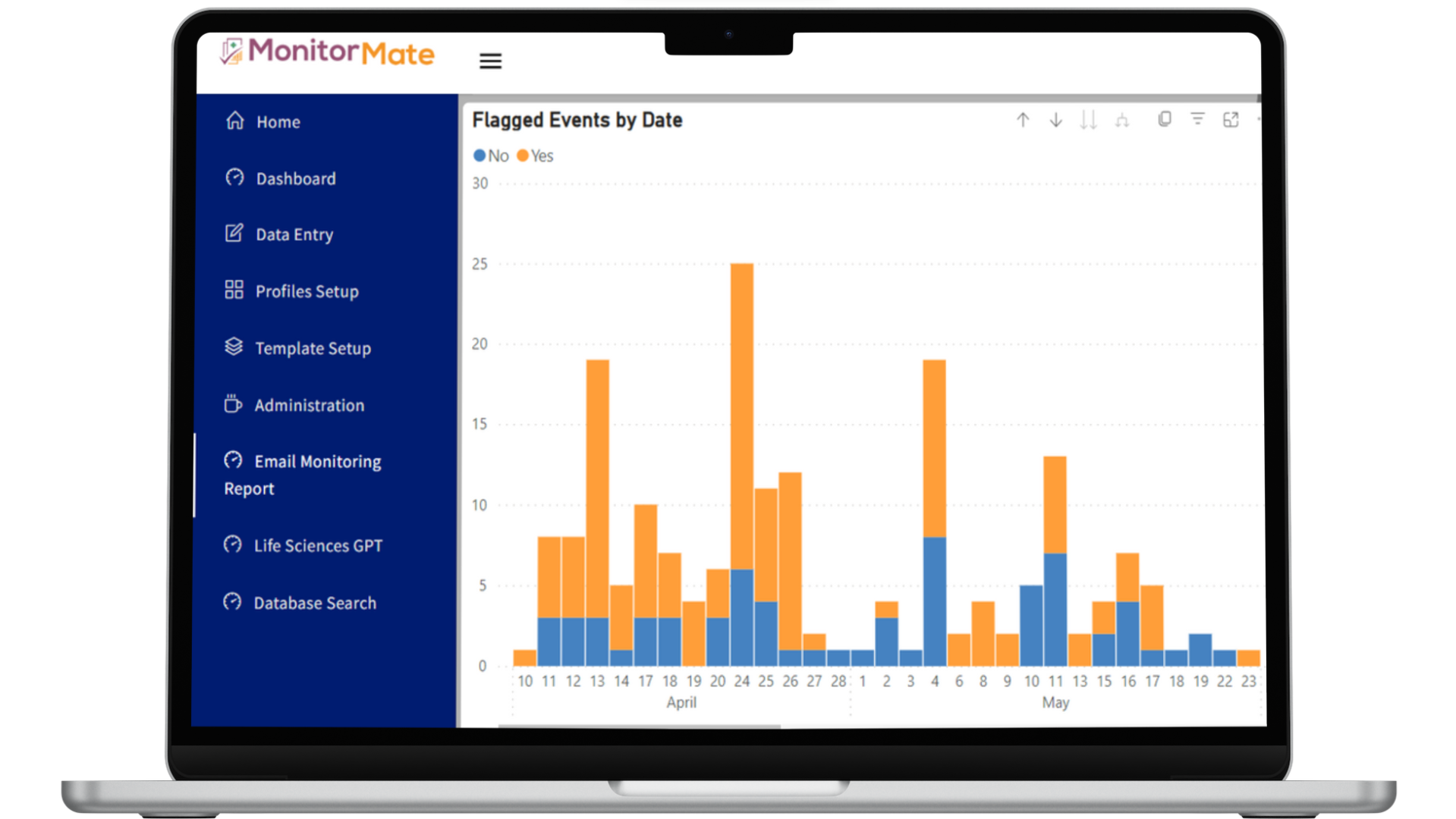
Email monitoring tools serve as the first line of defense in protecting sensitive data while ensuring efficient workflows. They help monitor email content, attachments, metadata, and even user behavior.
Why Businesses Need Email Monitoring Tools
In an era where communication heavily relies on email, monitoring tools have become essential for the following reasons:
1. Enhanced Cybersecurity
Email is one of the most common entry points for cyberattacks, including phishing and malware. Monitoring tools help detect and block these threats in real time, ensuring that malicious emails don’t compromise your systems.
2. Ensuring Compliance
Businesses operating in regulated industries, such as healthcare and finance, are required to adhere to strict compliance standards. Tools that monitor email activity can automatically flag non-compliant behavior, ensuring that your organization stays aligned with regulations like HIPAA, GDPR, and CCPA.
3. Preventing Data Loss
Data breaches can cause significant financial and reputational damage. By identifying suspicious activities or unauthorized data sharing, email monitoring tools help prevent sensitive information from being leaked or misused.
4. Boosting Productivity
By analyzing email usage patterns, businesses can identify inefficiencies and improve employee communication workflows. Insights gained from monitoring tools can lead to better time management and streamlined operations.
5. Investigating Internal Misconduct
In cases of employee disputes or investigations, email monitoring tools provide a transparent and secure method of accessing historical email data. This ensures accountability and fairness within the organization.
Key Features of a High-Quality Email Monitoring Tool
When choosing an email monitoring tool, it is important to evaluate its features. Below are some must-have capabilities to look for:
1. Real-Time Threat Detection
The tool should be capable of identifying phishing attempts, malware, and other malicious content in real time.
2. User Behavior Analytics
Understanding how employees interact with emails, including frequency, patterns, and unusual behavior, can provide valuable insights.
3. Comprehensive Reporting
A robust reporting dashboard is crucial for analyzing trends, detecting anomalies, and presenting data in an understandable format for decision-making.
4. Customizable Policies
The ability to tailor monitoring policies to fit your organization's specific needs ensures that the tool is both effective and efficient.
5. Automated Alerts
Automated notifications for suspicious activities or policy violations help organizations respond to threats promptly.
6. Encryption and Data Security
Top-tier email monitoring tools include encryption and secure data storage to protect sensitive email content.
7. Integration with Existing Systems
Compatibility with your current IT infrastructure, including email clients and security software, ensures a seamless implementation process.
How to Choose the Best Email Monitoring Tool for Your Business
Selecting the ideal email monitoring tool involves considering several factors that align with your organizational goals and requirements. Here are some steps to guide you:
1. Assess Your Needs
Start by identifying the key challenges your organization faces in email communication and security. Do you need a tool primarily for threat detection, compliance, or productivity monitoring? Clarifying your objectives will help narrow down your options.
2. Compare Features
Look for tools that offer the features most relevant to your needs. If compliance is a priority, choose a tool with advanced regulatory monitoring and reporting capabilities.
3. Prioritize User-Friendliness
The tool should have an intuitive interface that can be easily used by IT teams and employees with minimal training.
4. Evaluate Scalability
As your business grows, your email monitoring needs may evolve. Choose a solution that can scale with your organization.
5. Check Reviews and Case Studies
Read customer reviews, testimonials, and case studies to understand how the tool has performed for businesses similar to yours.
6. Test with a Free Trial
Many email monitoring tools offer free trials or demos. Use this opportunity to test the software and ensure it meets your expectations before committing to a purchase.
Top Email Monitoring Tools in 2024
Here are some of the best email monitoring tools currently on the market:
1. MonitorMate by CResen Solutions
This comprehensive tool offers real-time threat detection, detailed analytics, and customizable policies, making it a top choice for businesses of all sizes. It integrates seamlessly with existing email clients and ensures GDPR compliance.
2. Proofpoint Email Protection
Known for its advanced threat detection capabilities, Proofpoint protects against phishing attacks and malware while providing detailed reporting features.
3. Mimecast Secure Email Gateway
Mimecast offers robust security features, including email encryption, threat intelligence, and automated workflows.
4. Barracuda Email Security Gateway
This tool provides a cloud-based solution for email monitoring and threat prevention. Its AI-powered analytics are particularly effective for large enterprises.
Best Practices for Implementing an Email Monitoring Tool
Successfully integrating an email monitoring tool into your operations requires careful planning. Follow these best practices for optimal results:
- Educate Employees: Clearly communicate the purpose of email monitoring to your team and address any privacy concerns.
- Establish Clear Policies: Define what constitutes acceptable use of email systems and share these policies with employees.
- Regularly Update Software: Ensure your monitoring tool is always up to date to protect against emerging threats.
- Audit and Review: Periodically review the tool’s performance and adjust policies as needed to align with evolving business goals.
Conclusion
An email monitoring tool is no longer just a luxury for businesses—it’s a necessity. By providing real-time threat detection, ensuring compliance, and enhancing productivity, these tools empower organizations to stay secure and efficient in a competitive digital landscape.
Selecting the right tool can make a significant difference in your company’s operations. Whether you choose MonitorMate by CResen Solutions or another top-tier option, ensure it aligns with your business needs and offers the robust features required to keep your email systems secure and efficient.

No comments:
Post a Comment