In the modern regulatory environment, compliance and transparency are critical for organizations in the healthcare, pharmaceutical, and related sectors. CMS Reporting and EFPIA Reporting represent two of the most crucial frameworks designed to ensure ethical practices, maintain transparency, and avoid legal pitfalls. As these reporting requirements grow increasingly complex, leveraging advanced solutions like MonitorMate by CResen Solutions can simplify the process and enhance compliance.
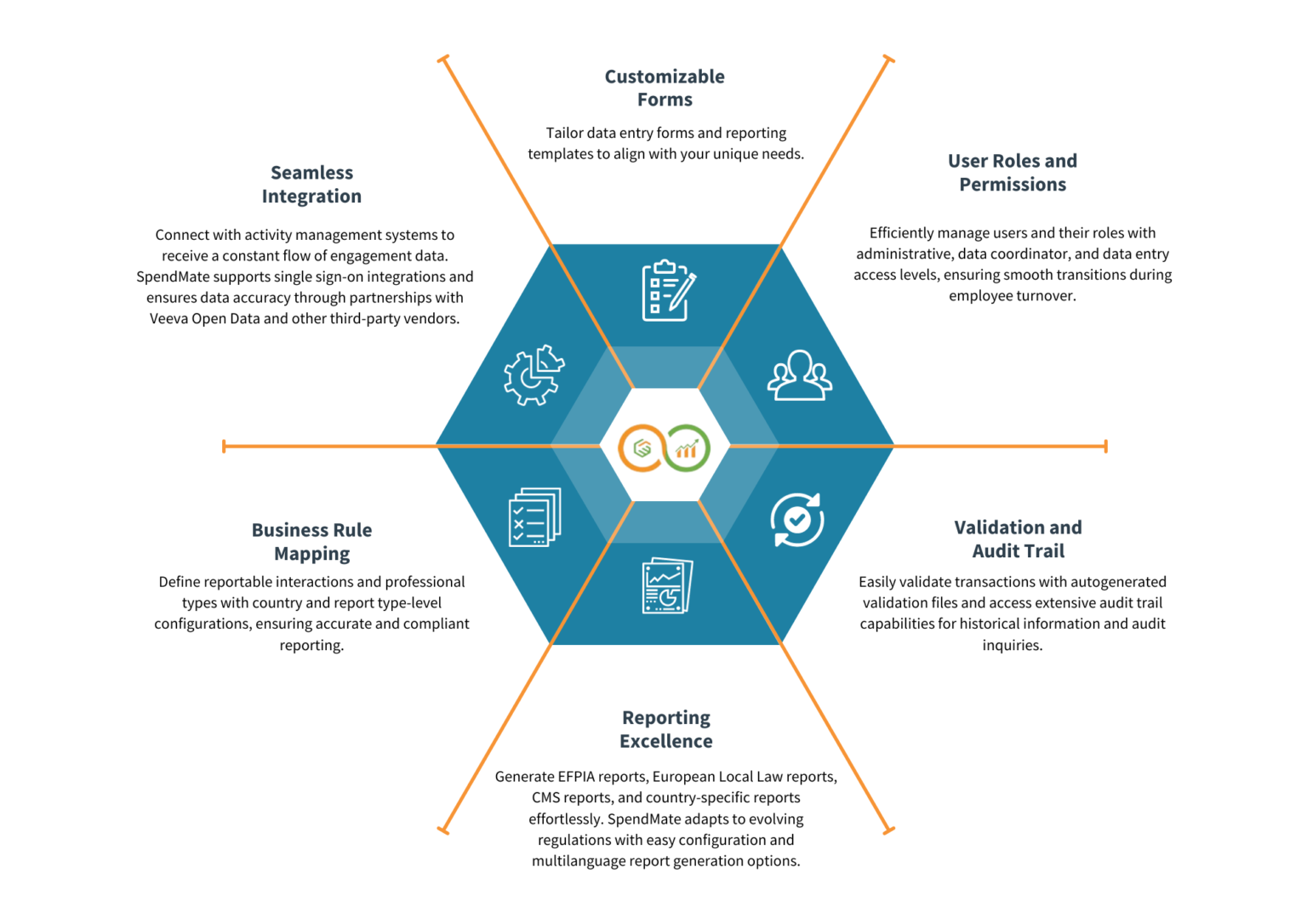
This article explores CMS and EFPIA reporting in detail, their significance, challenges, and how cutting-edge tools can streamline compliance efforts.
Understanding CMS Reporting
What is CMS Reporting?
CMS Reporting refers to compliance with the Centers for Medicare & Medicaid Services (CMS) requirements, particularly under the Physician Payments Sunshine Act. This regulation mandates pharmaceutical and medical device companies to disclose financial relationships with healthcare providers (HCPs) and healthcare organizations (HCOs). The goal is to enhance transparency in the healthcare sector and prevent undue influence in medical decision-making.
Key Elements of CMS Reporting
CMS Reporting requires companies to disclose detailed information such as:
- Payments or Transfers of Value: Including consulting fees, meals, travel expenses, and research grants.
- Recipient Details: Names, affiliations, and National Provider Identifier (NPI) of the HCPs or HCOs.
- Nature of Payments: Categorizing expenses into specific reporting categories as outlined by CMS guidelines.
Failure to comply with CMS Reporting can lead to hefty fines, reputational damage, and increased scrutiny from regulatory authorities.
Understanding EFPIA Reporting
What is EFPIA Reporting?
The European Federation of Pharmaceutical Industries and Associations (EFPIA) has its own transparency requirements under the EFPIA Disclosure Code. These regulations ensure that interactions between pharmaceutical companies and healthcare professionals remain ethical and transparent.
EFPIA Reporting involves disclosing:
- Direct and Indirect Payments: To HCPs, HCOs, or third parties.
- Research and Development Contributions: Supporting clinical trials or other scientific collaborations.
- Cross-Border Transactions: Ensuring comprehensive reporting for multinational operations.
Key Differences Between CMS and EFPIA Reporting
While both CMS and EFPIA reporting focus on transparency, their requirements differ in:
- Geographical Scope: CMS Reporting applies primarily in the U.S., whereas EFPIA is Europe-focused.
- Disclosure Standards: EFPIA emphasizes individual-level disclosure, including consent requirements, while CMS mandates standardized formats for reporting.
- Specific Data Categories: EFPIA has broader disclosure categories compared to the Sunshine Act’s focus areas.
Challenges in CMS and EFPIA Reporting
Both reporting frameworks demand precise, accurate, and timely submissions. However, organizations face several challenges, including:
- Data Collection: Consolidating payment and interaction data from multiple departments and systems.
- Complex Regulations: Navigating varying formats, thresholds, and requirements across different regions.
- Manual Errors: Risk of inaccuracies when relying on manual processes.
- Compliance Deadlines: Adhering to stringent timelines while maintaining accuracy.
Failure to address these challenges can result in non-compliance, penalties, and operational inefficiencies.
How MonitorMate by CResen Solutions Simplifies Reporting
Advanced compliance solutions like MonitorMate by CResen Solutions are transforming the way organizations approach CMS and EFPIA reporting. With its robust features and intuitive design, MonitorMate addresses the most common pain points in compliance reporting.
Key Features of MonitorMate for CMS and EFPIA Reporting
- Automated Data Collection: Seamlessly integrate data from multiple sources to ensure accurate and comprehensive reporting.
- Regulatory Updates: Stay informed about the latest CMS and EFPIA guidelines with automatic updates to ensure ongoing compliance.
- Customizable Templates: Generate reports in formats compliant with both CMS and EFPIA standards.
- Error Detection and Alerts: Identify discrepancies and errors in real time, reducing the risk of fines and re-submissions.
- Centralized Dashboard: Manage all reporting activities from a single, user-friendly interface.
- Cross-Border Compliance: Handle international reporting requirements efficiently, especially for multinational organizations.
Benefits of Using MonitorMate
- Increased Accuracy: Eliminate manual errors with automated data validation.
- Time Savings: Reduce the time required for data collection, validation, and report generation.
- Cost Efficiency: Minimize compliance costs by avoiding penalties and reducing reliance on manual processes.
- Scalability: Adapt to the growing complexity of reporting requirements as your organization expands.
Best Practices for CMS and EFPIA Reporting
To ensure smooth compliance with CMS and EFPIA requirements, organizations should follow these best practices:
1. Centralize Data Management
Consolidate payment and interaction data into a single repository to simplify tracking and reporting.
2. Automate Reporting Processes
Invest in tools like MonitorMate to automate data validation, report generation, and submission.
3. Train Teams on Compliance
Ensure employees understand reporting requirements and their role in compliance efforts.
4. Conduct Regular Audits
Perform internal audits to identify gaps in reporting processes and implement corrective actions.
5. Stay Updated on Regulations
Monitor changes in CMS and EFPIA guidelines to adapt your compliance strategies accordingly.
Why Compliance Matters
Compliance with CMS and EFPIA reporting requirements is about more than avoiding penalties—it demonstrates your organization’s commitment to transparency, ethical practices, and trustworthiness. Organizations that prioritize compliance also gain a competitive advantage by building stronger relationships with stakeholders and maintaining a positive reputation in the market.
Conclusion
Navigating the complexities of CMS Reporting and EFPIA Reporting can be daunting, but with the right tools and strategies, organizations can ensure seamless compliance. Solutions like MonitorMate by CResen Solutions provide the automation, accuracy, and scalability needed to stay ahead in today’s regulatory environment.
Embrace cutting-edge technology and best practices to transform your compliance efforts from a challenge into an opportunity for growth and transparency.

No comments:
Post a Comment